As a parent or a new learner, you might have come across references to "Suzuki Piano." This often leads many to wonder what "Suzuki Piano" is all about. At MusicTeacher.com, we frequently receive questions from curious and sometimes confused students about the "Suzuki Method." This guide aims to explain what the Suzuki Method is and why it might be of interest to younger learners wanting to learn the piano or other instruments.
What is the Suzuki Method?
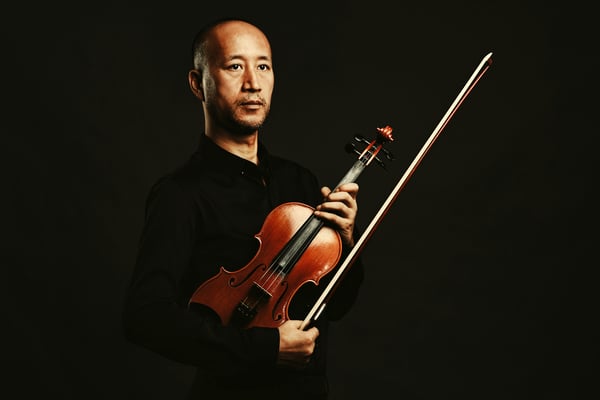
The Suzuki Method was developed by a Japanese violinist, Shinichi Suzuki, during the mid-20th century. Suzuki, who had traveled to Germany to continue learning to play the violin, noticed how children of all cultures developed linguistic abilities during their first five years of life.
Children of any ethnic group, regardless of how "difficult" the spoken language was perceived to be, were able to understand and speak by the age of five. This observation highlighted to Suzuki the role of environmental factors in children's education. He suggested that even when a baby was in the womb, they were absorbing their mother's language through the muffled sounds reaching their ears.
The Core Principle: Language Acquisition Applied to Music
Suzuki proposed that if a child could learn to speak even the most complex languages at a basic level by the age of five, there was no reason why they couldn't have a basic understanding of music by the same age. After all, music is often considered an "international language" – one that is audible, written, and read like many spoken languages.
He pioneered the idea that if the learning steps were small enough, even young children could learn musical instruments, such as the violin or piano. This also promoted the understanding that any child, regardless of economic or social background, could learn to play a musical instrument with the right tuition and teaching environment. Suzuki's approach shifted the focus from creating a single "musical prodigy" to helping many students learn music as a hobby or at an amateur level – something that became more accessible and accepted during Suzuki's lifetime.
Applying the Suzuki Method to Piano
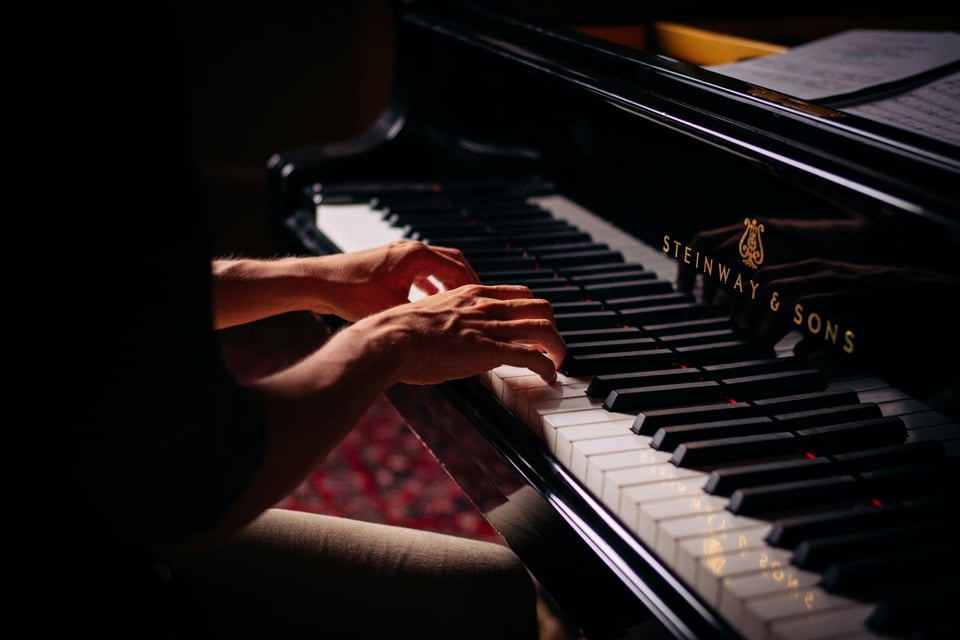
When applying Suzuki's theory to learning the piano, it becomes clear that with the right learning materials, exposure to the "language" of music, and encouragement to engage and practice, young students – even at a preschool age – can learn to play the piano to a reasonable standard.
Suzuki Piano Repertoire
The piano repertoire in the Suzuki Method is composed of seven volumes. The first book begins with Variations on "Twinkle, Twinkle, Little Star" and continues with many folk songs and contemporary pieces. As students progress through the volumes, they encounter music from romantic, classical, and baroque composers, as well as an array of other genres. This variety helps students gain a holistic approach to piano music. Teachers of the Suzuki Method closely follow these books, many using the same pieces as those included in the original volumes.
Finding a Suzuki Piano Teacher
This tried and tested method for learning to play the piano might be ideal for your child. To find a local piano teacher who provides lessons using the Suzuki Method, please search our Music Teacher Database.
By understanding and applying the Suzuki Method, young learners can embark on a musical journey that builds their skills in a nurturing and effective environment.