

The study of music has always had its appeals, and there are obvious advantages to exposing children to music from a young age. Kids who start early can make huge strides and pick up the fundamentals swiftly, often in a way that adult learners struggle to match. But what age is the right age to start teaching? Can some students be too young to take in the information needed to play instruments? Do the benefits outweigh the negatives? And how can you communicate these issues to the child’s parent or guardian?
Firstly, it is easy to say yes to any offer of work that comes your way. In the competitive world of music tuition, any chance of a regular student and providing a regular stream of income is tempting. Any potential student can be viewed this way, but taking on a young student and knowing there could be more than fifteen years of weekly lessons ahead? That can be hard to say no to. But sometimes this can be the best course of action.
Why? Well some students are simply too young to fully absorb the nuances of music learning at such a young age. If a child is under the ages of two or three, the chances that they will be able to retain information from formal classes is slim. Children of that age can be easily distracted and have short attention spans. These qualities will make teaching a child incredibly difficult, and could easily lead to quick cancellations. Getting students through your doors is one thing but ensuring they study music with you for the years ahead is another thing altogether.
There is also the physical nature of many popular musical instruments. There are smaller, simpler models of keyboards and traditional beginner instruments such as recorders will always be popular. But a child of young age will undoubtedly struggle with larger instruments, such as members of the brass family. Drums may come in all shapes and sizes but it is a physically demanding instrument to play. The tactile work required to hold a guitar and press strings is no easy feat for older beginners, let alone an infant child.
And then there is the interaction with parents. As with any music lesson, parents are often present and play an important role in the child’s development when it comes to music. With particularly young children it is almost guaranteed that they will sit in on lessons. Young children who do not yet have the enthusiasm for music may be put off completely if thrust into lessons with an adult figure present. And there is also the issue that the lessons become more for the parents than the child themselves. No amount of work is worth teaching a frustrated adult while their child sits bored or, even worse, upset to the point that they reject music completely.
But, I hear you ask, if I turn down a student then won’t one of my fellow teachers simply sign them up instead? Of course, this is a potential outcome. You may turn down a student that goes on to work with a competitor. But for all of the negative outcomes that can befall you by teaching someone too young, the chances are that it will not last. And who knows, that student in a few years time may come back to you and respect the fact that you did not want to waste their time. It may lead to far more regular work and it will also ensure that your reputation is intact.
So although it might be easy to say yes to a young student, think a little into the future. You could try telling a parent and child something along the lines of this: “It’s great that you are interested but I think we should start formal lessons at a later date to make sure you really get the most out of my classes.” Parents will respect your honesty and children will not be swayed away from music. Teaching music is your job so make sure you put yourself in the position to teach, and not babysit!
Broadly our advice here at musicteacher.com is to provide young learners a holistic approach to music from the ages of 3 to 5, enabling them to sing, learn rhythm through dancing and clapping, exposing them to different instruments without focusing too specifically on one type of instrument. From the age 5, 6 or 7 depending on the nature of an individual learner it might be appropriate to focus on a more mono-instrumental education, while still drawing on broader musical concepts and ideas.
What are your own personal experiences with teaching young students? Do you agree that some students are too young to full engage with lessons? Or do you encourage learners of all ages to your classes? Get in touch and share your experiences!
Recommended reads
Browse all →Next reads based on shared topics and recently updated articles.

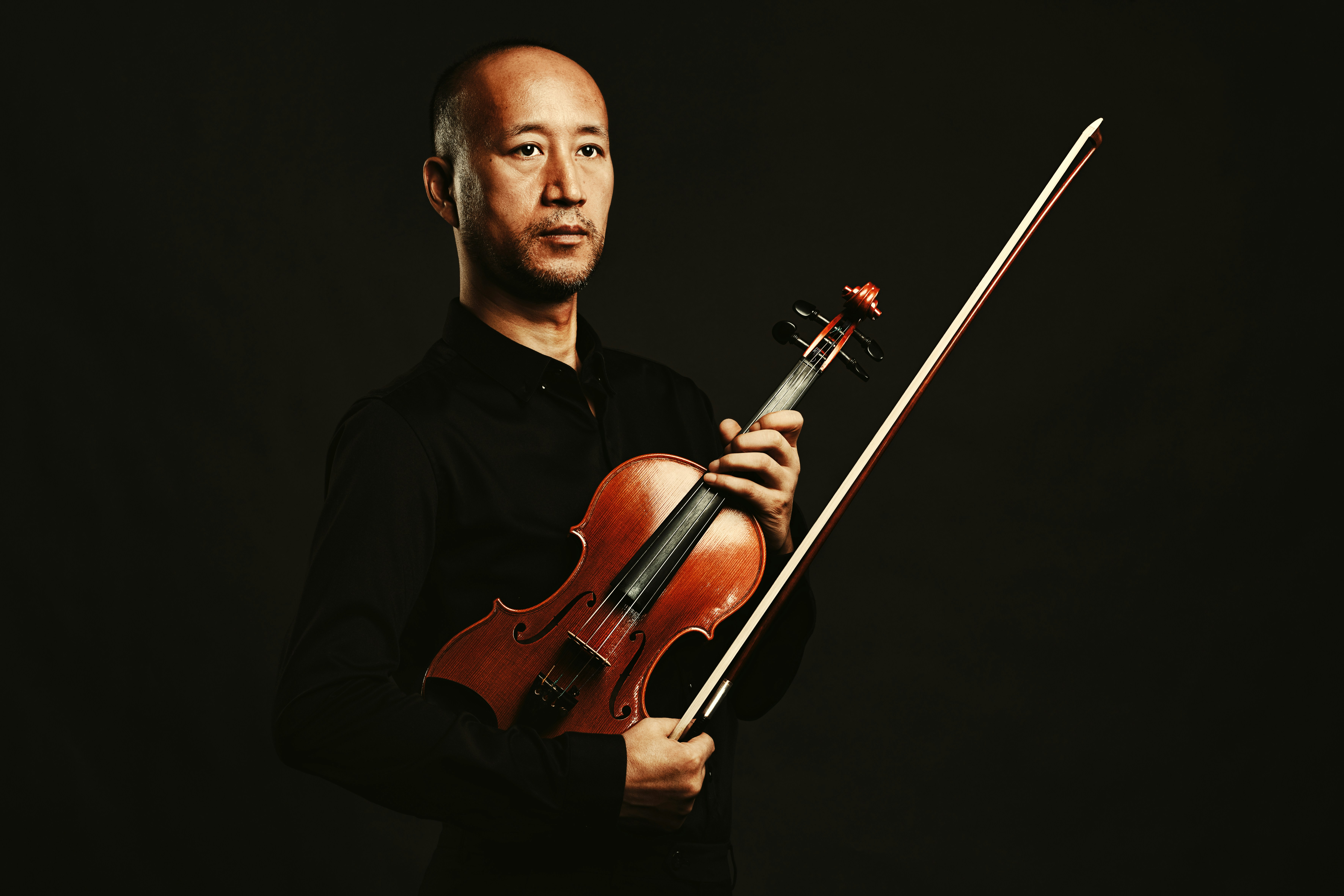




Starting too early can backfire — the goal is readiness, not rushing into formal lessons.