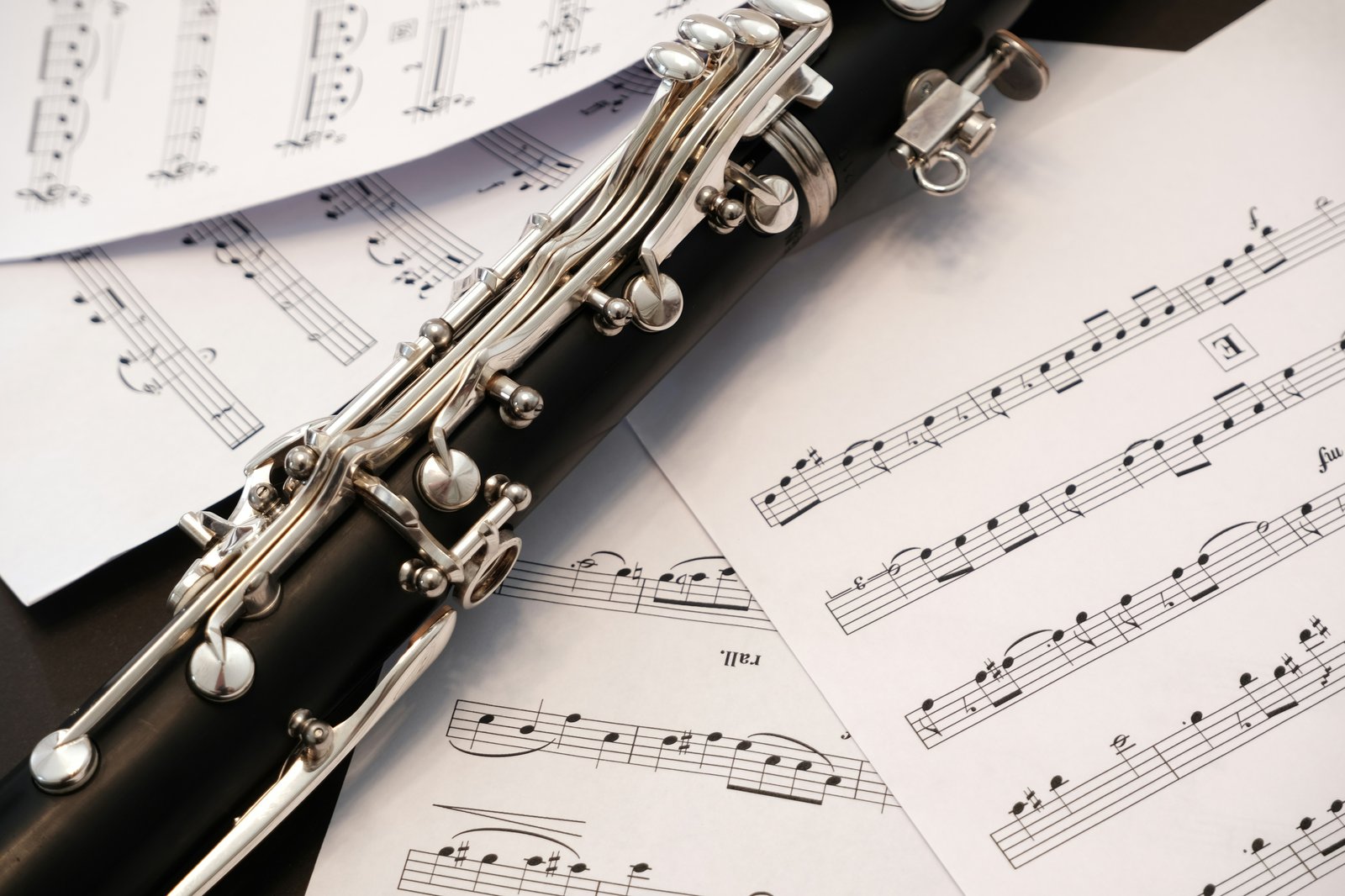

Influences of Material on the Sound Quality of Woodwind Instruments
From the past to now the material of musical instruments has been playing a crucial role. As the material from which an instrument is made of determines the characteristics as well as tone quality of the musical instrument. In wind musical instruments the role of material is an ardent debate among the instrument manufacturers and performers. Basically, the structural elements of instruments are primarily responsible for the sound.
Normally instruments manufacturers use a different material to distinguish their instruments from others, even some traditional crafts peoples used the high-quality material to manufacture instruments for the better tone quality. And those crafts peoples were also known to tinker with the advanced material. Because material selection plays an important role in the production of the instrument. In some instances, the material of instruments is immediately concerned with the sound production. While in some instrument quality of the material doesn’t matter in the productions of sound. For the woodwinds instruments, the material is extremely important as that is never going to be replaced with any other material like violins materials can change.
What are the Some Types of Woodwind Instruments?
Wind instruments are the musical instruments a normally popular for their loud tune that they produced. Wind instruments consist of some resonator which is usually called a tube that is used to pass the column of blowing air through the player mouth. Through the blowing air in the tube, a vibration is produced that is determined through the length of the tube as well as some manual modifications. In some wind instruments, a sound is produced by blowing air through a reed. The appearance of woodwind instruments has been popular because of their natural structure that is used to produce a loud melodious sound when a column of air is blowing within the tube. Some common types of wind instruments are mentioned below:
- Bassoon
- Clarinet
- Contrabassoon
- Cornet
- Dulcian
- Flute
- Harmonica
- Oboe
- Recorder
How the Material Influences on the Quality of Woodwinds Instruments
Mostly players of woodwinds might be surprised to listen when you ask them about in which material their instrument is made of. Reply of most of them is “no idea”. Well, the material of an instrument considered an important factor as the degree of material impacts on the generation of sound.
Everything that is used to make an instrument affects the tone that is generated. The woodwind instruments that are made with wood has a different sound to those instruments that are made with metal. The sound is different because the materials have different resonant qualities.
Different woodwinds instruments are constructed through using a different kind of material. For example, to manufacture a body of flute, three types of material can be utilized such as wood, silver or gold material. They have their own tonal inclinations as pursues.
Wooden Flutes: These flutes produce a phenomenal soft as well warm tone Silver Flutes: Normally produce a warm and rich tone. Gold Flutes: Create an elegant tone.
Rather than being manufactured using only one material or wood, they were presently made of at least two pieces fitting firmly together with a specific end goal so that they have the capacity to direct pitch by modifying the length. Moreover, the high quality as well less solid and fragility of the material has an extremely extraordinary influence on the tone of woodwind instruments. Furthermore material does not influence the quality of woodwind instruments but also effects on the costs of the instrument. There is a distinction between the costs of instruments that are comprised of metal and other instruments that are made of other material. However, woodwinds that are not made of metal are less expensive. But rather than price the quality of woodwind matters.
Construction of Woodwinds: Silver, Gold or Platinum?
Now days mostly woodwinds which are used for beginners are constructed through silver-plated metal. On the other hand, woodwinds used by experts are made of strong silver and gold woodwinds are used by best soloists.
As woodwinds names implies wood so mostly woodwinds instruments are constructed through the wood. And you can also find nearly are woodwinds instruments are made of wood. There are plenty of advantages of the instruments constructed through wood, as wood is less expensive as well easily worked with simple tools. Wood is not only used to constructed woodwind instruments but many other instruments are also used to made of wood such as guitars, harps, bodhrans and many more.
Since the past, there has been a lot of questions about woodwinds to which material from which the instrument is made is better for its tone quality? While flutes that are designed through woods has some limitations as the tube walls can’t be made thin that’s why there is a stack named as “chimney” at the embouchure as well around every finger gap. These chimneys in flutes are very essentials as without embouchure chimney it’s not possible to create low notes.
In some recent researches, the analysts pick different flutes that are made of silver, gold, and platinum. And it has been concluded that flutes that are made of different materials have only some few variations. As they found no huge distinctions when they hear some notes they found just a couple of variations.
Flutes that are made up of plutonium create some extraordinary unique tones. But after measurement of different notes, researchers found that it was likewise the equivalent. However, all these above discussions show that there happen a lot of quality material influences on the tone of woodwinds instruments.
Recommended reads
Browse all →Next reads based on shared topics and recently updated articles.




The sound of a woodwind instrument is shaped not just by the player, but by the materials and construction choices made during manufacturing.