
Understanding Music Teacher Salaries: A Comprehensive Guide
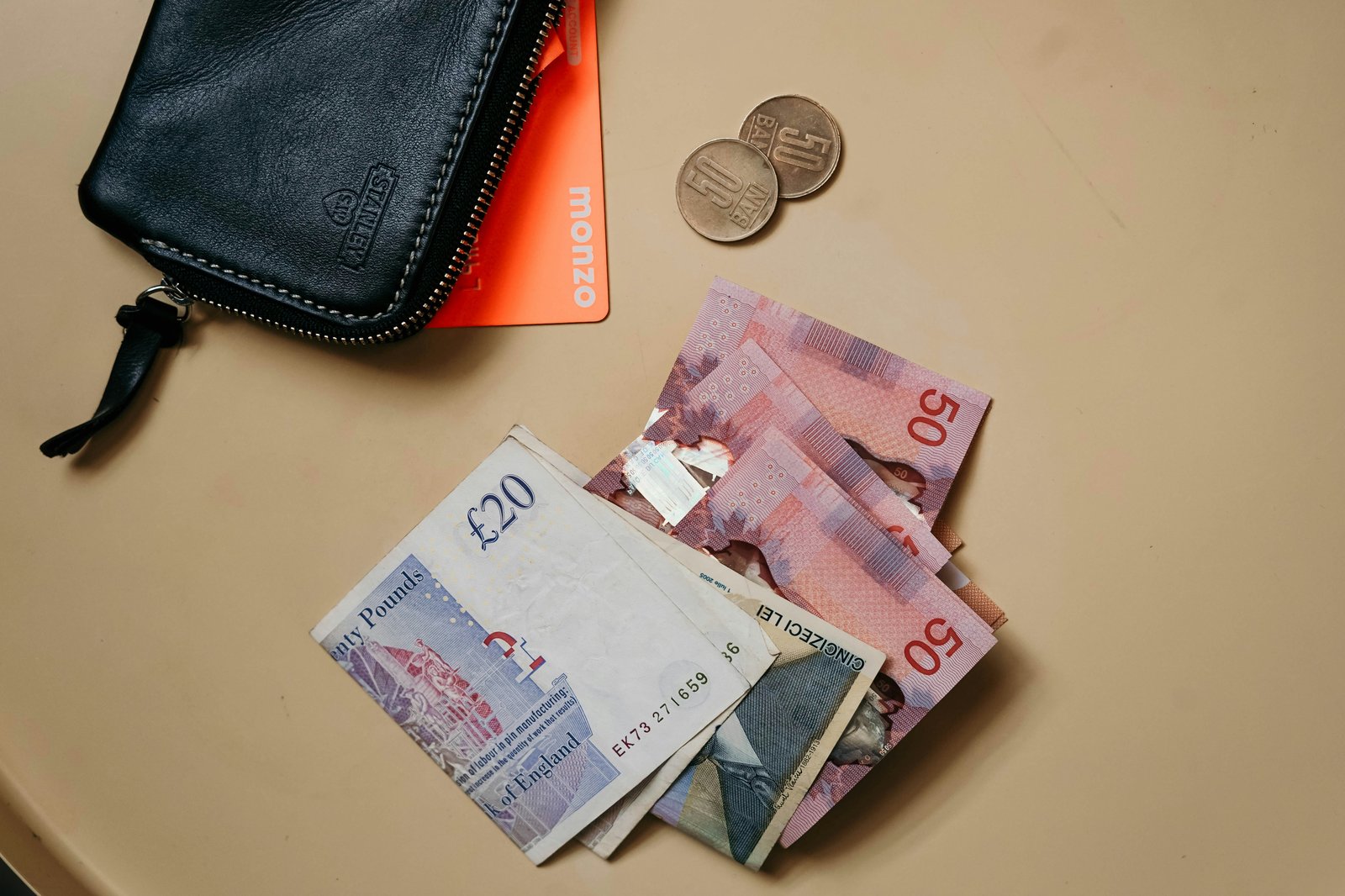
Money makes the world go round. And when it comes to your career as a music teacher, salary is an essential part of the process. Giving your students a start in the world of music is an incredibly rewarding form of employment, and gives you the chance to shape young, eager minds into potential future stars. But how do you put a price on this unique experience? What sort of salary should you expect as a professional music teacher? And what are the differences between independent tutors and those working with schools or professional bodies? It is time to delve into the world of salaries and find out how to make teaching music worth your while.
Factors Influencing Music Teacher Salaries
In terms of calculating the average salary for a music tutor in the UK, there are a lot of variables to consider. Firstly, there is your own level of skill and experience in both your instrument and in teaching. The chances are that the longer you have taught professionally, the higher wage you can attract. Professional qualifications, a strong body of testimonies, and a professional setup – marketing, facilities, and more – will give tutors the opportunity to charge premium rates.
Geographical Considerations
Then there are geographical concerns. Tutors working in large cities would typically be able to charge higher rates than those in other parts of the UK, although this may be countered by higher living costs in cities such as London. Local competition can also dictate the fees you can demand from students. If your area is flush with other music teachers, then you may have to offer a more competitive rate to keep yourself in work.
Determining Your Rates
So how do you know how much to charge if you are a tutor? There are a few guides to give yourself a better idea. The current national average wage for a professional music teacher in the UK is £27,405. Perhaps more of an indicator is the Musicians’ Union (MU) guide to teaching rates. The current recommended hourly rate for tuition is £32. This is based on a professional tutor who meets the level expected of the MU and is a rough guide, but is this really what music teachers can earn consistently as a self-employed individual?
Practical Experiences and Rates
When it comes to one-on-one tuition, from my experience of working with hundreds of teachers since 2011, anything between £25 and £30 per hour is a good level of recompense, depending on locational factors, the popularity of the instrument, and whether you are a full-time teacher or a part-time teacher using teaching as a supplementary income. For example, a teacher who wants to build up a large number of students rapidly might choose to charge £20 to £25 per hour, giving them a higher share of the marketplace, rather than trying to hold out for £30 to £35 as the actual wage income for the teacher is often more for teaching more lessons at £25 than fewer at £30.
High-Earning Opportunities
If you offer lessons in a popular instrument (especially singing lessons) or work in an area where there is a lack of other teachers, you could earn significantly more – especially in the southwest and southeast of the UK. There are also higher fees available for group work and workshops. The MU recommends a workshop fee of £191 per day, and this day should include a maximum of five hours’ work. This factors in the extra preparation and organization required to run a workshop and again should only be used as a rough guide.
Salaries for School-Employed Music Teachers
This covers independent, self-employed tutors. Music teachers employed by schools or colleges are typically paid per annum, and as mentioned previously, this average wage is currently £27,405. The salary from schools is paid to national guidelines, so your wage will fall in line with your local authority and other public service employees. Certain parts of the country will again lead to higher earnings, and specialist music colleges may offer more earning potential than typical state primary or secondary schools. Private and independent schools may also offer a better basic wage than state schools.
Achieving the Best Wage
When it comes to achieving the best wage for you, consider all of these aspects and make sure you do not undersell your abilities while understanding the local factors and the price point that will ultimately give you the best wage (which isn’t necessarily the highest per hour income, but instead a balance between teaching more students at a lower price and fewer at a high price). Securing a salary that values your knowledge and experience in music can be difficult but is well worth it.
Share Your Experiences
What are your experiences with salary? Have you encountered any issues when it comes to asking for money? Can you support yourself as a tutor? Comment and share your stories!
Resources:
- http://www.musiciansunion.org.uk/Home/Advice/Education/Getting-Paid/Rates
- http://blog.musicroom.com/top-tips-on-becoming-a-private-music-teacher
- https://www.theguardian.com/teacher-network/2012/aug/09/private-tuition-salary-teaching
- https://nationalcareersservice.direct.gov.uk/job-profiles/music-teacher
Recommended reads
Browse all →Next reads based on shared topics and recently updated articles.

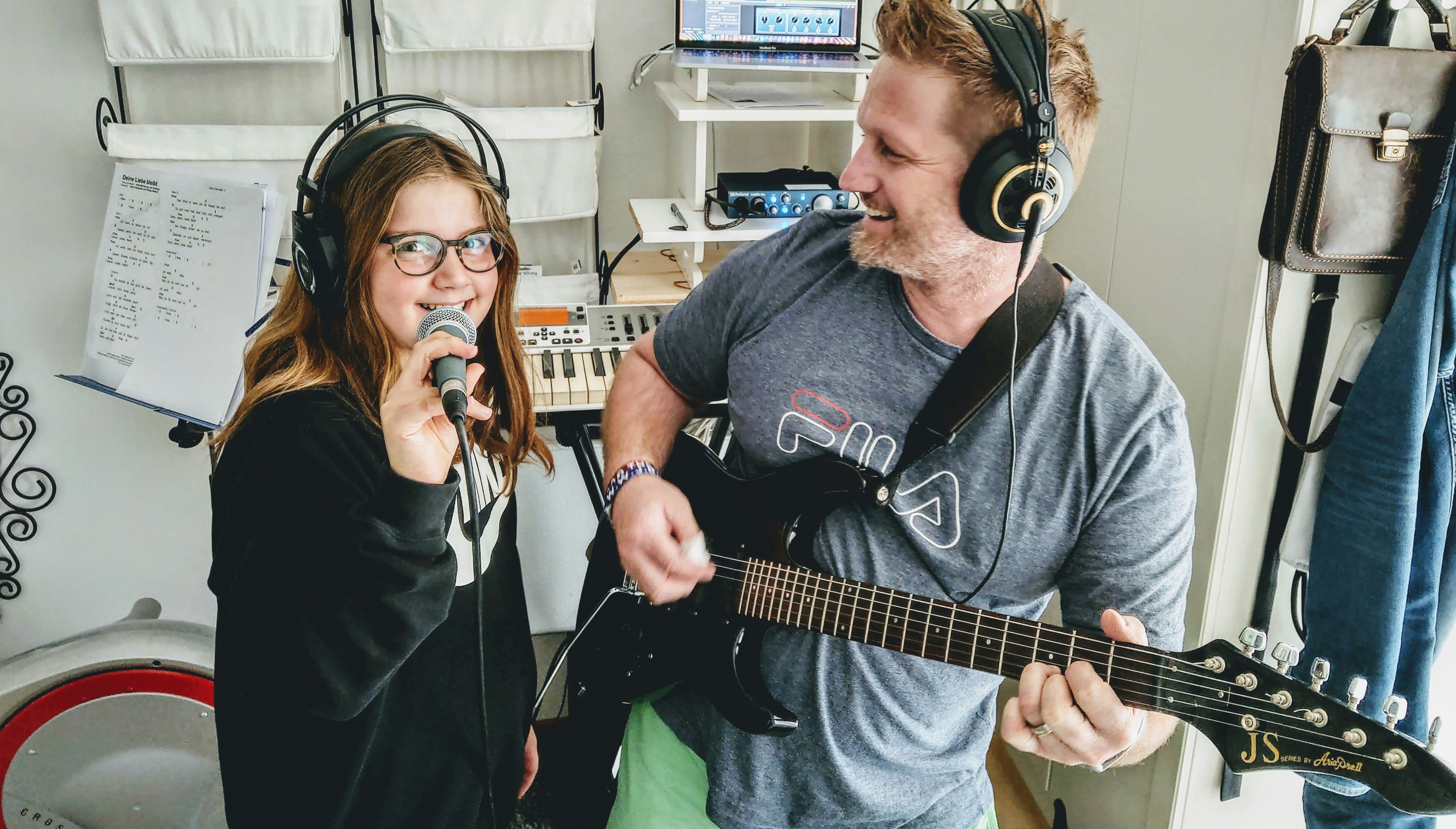




Your income is shaped by your experience, your local market, and whether you teach independently or in schools.