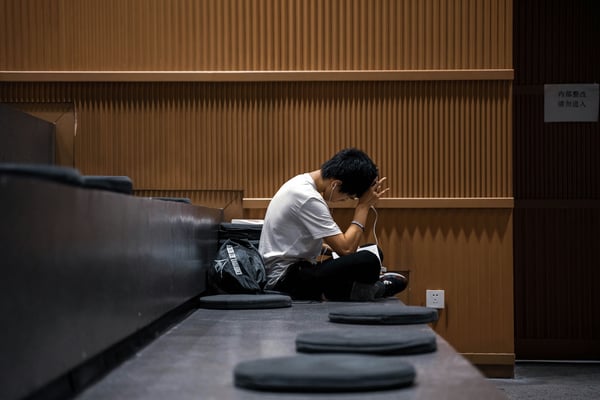
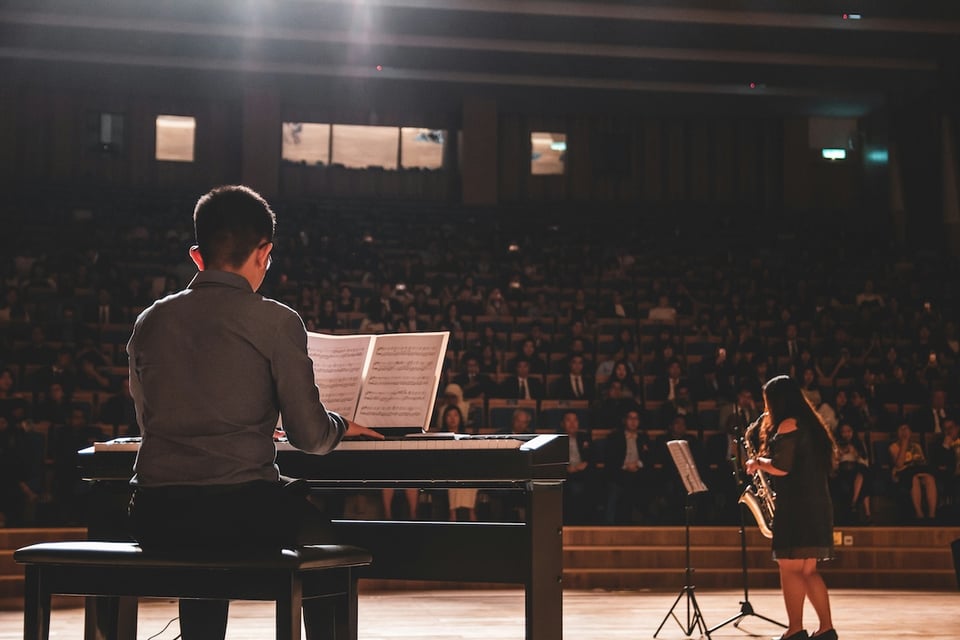
What is the difference between performance anxiety (stress), and an anxiety disorder?
The symptoms are very similar but performance anxiety will dissipate once the performance is over, anxiety disorder is an ongoing problem because it is constantly fed by a person’s fearful thoughts. Everyone gets nervous about performing and this is natural. But if someone is feeling constantly anxious, they should seek some professional help.
What are the physical symptoms of anxiety?
- Shallow fast breathing or holding their breath.
- Heart beating faster and harder.
- The body may shake – especially hands.
- Becoming tearful or overly emotional over little things.
- Skin may turn pale – colour drains from their skin.
- Increased sweating.
- Dry mouth.
Coping mechanisms/reactions:
- Becoming agitated or unable to stand or sit still.
- Freezing or not being able to function.
- Feeling the need to escape - Running out of the room.
- Going quiet and shutting down.
- Using cigarettes or other drugs.
If you suspect that one of your students is suffering from ongoing anxiety you can find out more by visiting the NHS website https://www.nhs.uk/conditions/generalised-anxiety-disorder/
5 tips for managing performance anxiety:
By using these tips as part of the preparation for the exam your students should remain in control and perform at their best.
1. 7: 11 Breathing - When you feel nervous or anxious breath in through your nose for 7 and out through your mouth for 11. The counting engages the logical part of your brain, and deep breathing increases oxygen and signals the body to calm down.
2. Posture – Your physiology will influence your psychology. So, if you stand or sit in a strong confident posture that you will feel more confident.
3. Smile - it might seem forced but smiling releases oxytocin which makes you feel good.
4. Reframe - your feelings don’t know the difference between fear and excitement. So, tell yourself you are EXCITED rather than scared or nervous and it changes your experience.
5. Rehearsal - Mentally rehearse the performance going well (just like a runner imagining winning the race). Your mind doesn’t know the difference between imagination and reality.
The good news is that anxiety disorders can be easily treated and completely cured with the right support. So, if you or a student are suffering you can get expert advice or treatment by emailing life coach and psychotherapist James Banfield - james@theliberatedmind.co.uk.
About the Author:

James Banfield is a life coach and psychotherapist, proud to be helping people of all ages and careers to break free of the things holding them back, and lead a happy and fulfilling life. He is currently a Member of the following Associations: National Council for Hypnotherapy (NCH) and the Association for Solution Focused Hypnotherapy (AfSFH).
You can read more about how James can help you or someone you know by visiting: theliberatedmind.co.uk