
Learn How To Teach Music Online With Our Essential Music Tuition Checklist
With the rise of the freelancer and working from home becoming the norm across the world, a lot of musicians are trying to learn how to teach music online.
But what stuff do you need? Do I need a massive budget? Can I just start teaching online?
The good news is: You actually don’t need a lot of stuff. You don’t need a big budget. If you’re good enough, you can just go for it!
Learning how to teach music from home is fairly straightforward. You mainly need a good work ethic.
According to National Careers, there are several accreditations and qualifications for music teachers on offer. These accreditations will obviously help you stand out from the crowd of tutors out there, but don’t let that scare you. We’ve actually answered the question of “what qualifications do you need to be a music teacher in the UK?” in a previous blog, so we recommend reading that too!
Famous Musicians Are Teaching Music Online
Some of the biggest names in music offer free lessons and private tuition without any form of accreditation. The pandemic was responsible for a massive shift in how we learn and consume online music lessons and you can check that article out here.
This article basically says to everyone thinking about teaching music online: if you’re competent, know your instrument and have a good work ethic you can teach music from home!
So what do you need to start teaching music online?
If you’ve decided to learn how to teach music online, here’s a handy checklist for you so you know what you need to get started.
Here are the essentials:
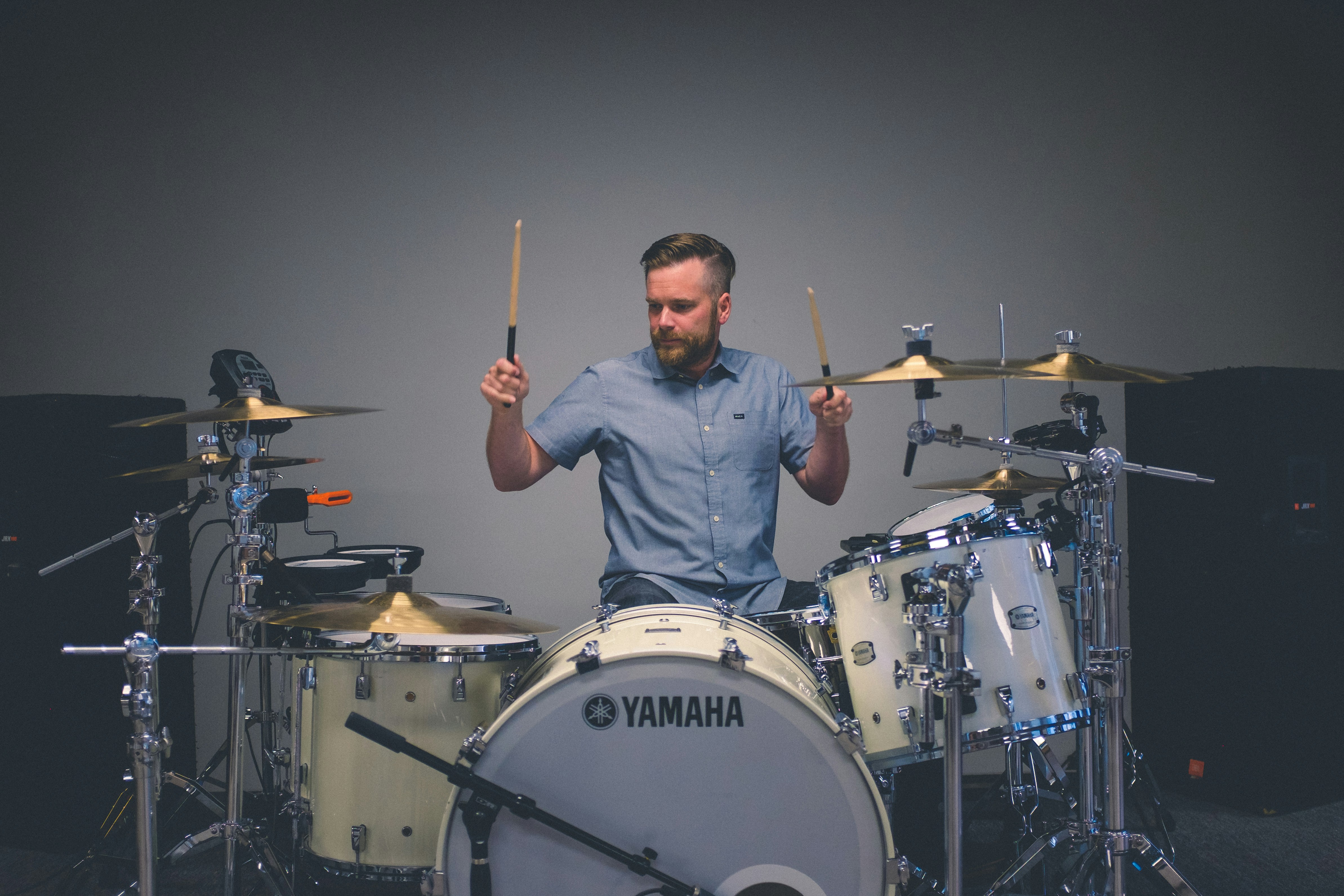
Let’s be honest here. If you’re rubbish at playing your instrument, you’ll get found out pretty quickly and lose clients faster than a Kirk Hammet guitar solo (that’s really fast for non-guitar players out there).
You need a solid understanding of your instrument and the ability to explain lessons clearly and concisely.
Attracting students online is one thing but retaining them is another. You need to be good enough at your instrument so that they’re impressed and know that they’re learning from an experienced musician who can transfer some of their skills. This way you’re more likely to retain music students.
Good communication skills are essential for any music teacher. You need to be able to convey each lesson in a way that your student can not only understand but in a way that they remember.
Be clear and concise at all times. A solid understanding of teaching methods will make you stand out from the crowd.
If you’re unsure of what makes a good music lesson, watch some of your favourite lessons available on YouTube and write down what you like and didn’t like about those lessons. Was there too much filler? Did they get to the point? Did they skip over the most important drum part or piano line?
Watch, learn and apply what you like to your lessons. There are plenty of incredible reasons to learn to play guitar online so make sure your channel or your lessons are the ones students go to!
This goes without saying. A good Internet connection is essential when it comes to providing successful online music lessons.
If your lesson keeps dropping out due to a bad connection, your students are going to lose interest. Your lesson needs to be uninterrupted and as productive as possible
Make sure if you’re going to set up an online music tuition class that you have a solid Internet connection – don’t rely on mobile data.
Zoom, Skype, Microsoft Teams and Google hangouts are all incredibly useful platforms to provide online music lessons in high quality.
Best of all, they’re free!
Zoom, Google and Skype all allow you to record calls too. The ability to offer students a recorded lesson after your call is a great selling point.
Read more on how to set up the following video calling services below:
- Skype
- Zoom
You can of course use FaceTime or WhatsApp but you can’t record calls. But don’t let that stop you!
You don’t need a fancy mic to do online music lessons, as often the mic built-in to your phone, tablet or laptop will be good enough. However, should you want to make your lessons that much clearer – a microphone might be a good idea.
If you are going to use a mic to use for piano playing, drums or guitar – a USB mic is the cheapest option as you won’t need an audio interface. It’s plug and play.
Almost everybody has a smartphone today. Even your grandparents know how to do video calls!
In addition, almost all laptops have a great quality webcam. So don’t worry about a fancy camera.
You don’t NEED a fancy camera to start online music lessons. However, you might want to invest in a good stand like a GorillPod or Rode blogging set up for your phone as this will hold your camera in place.
Your laptop will likely have a good webcam built-in. Again, you can invest in an HD webcam if you wish, but you don’t need one to succeed.
Don’t think you need loads of HD stuff when you’re learning how to teach music lessons online.
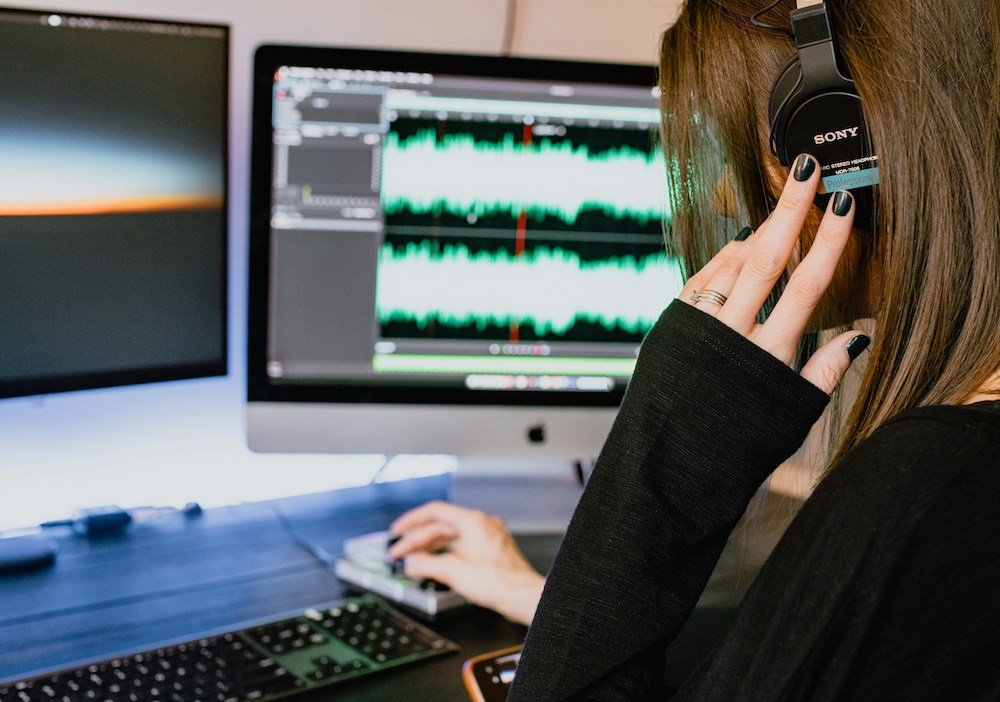
You need to listen intently to your students. Invest in a good set of headphones – perhaps with a built-in mic.
This not only allows you to hear what’s going on properly but also ensures that the sound of your students playing doesn’t bounce back to them, causing feedback.
Business insurance is vital for any small business. Especially freelancers.
Business insurance protects you from the unlikely event of an issue that may arise through lessons. You could be teaching online and somehow an injury occurs. Having insurance makes sure you’re covered for damages, public liability and more.
If you make the move to in-person lessons, and they come and visit your studio and slip on a wet floor, you could be liable for damages.
It also makes sense to insure all your equipment. This is your livelihood after all!
If you’re teaching children, you need a DBS check. Parents will want to see this and any schools you may end up collaborating with will also need to see it.
You can find out more HERE.
Having this simple check says you’re a professional who can be trusted. It’s a no-brainer!
It means that you’re serious about your business and that children and younger people can learn in a safe environment. Of course, this is what all parents want. Get this sorted and it’s one less thing to worry about!
When it comes to learning how to teach music online, being able to promote yourself is essential. Whether it’s through social media, word of mouth or a comprehensive database like MusicTeacher.com.
If you want to succeed in teaching music online, you need to market yourself.
Establish yourself on Tik Tok with smaller lessons to get more music students, start a YouTube channel, offer freebie lessons on Facebook, Instagram and more. Market yourself as much as possible and ensure you have that drive to promote yourself. We believe in you!
MusicTeacher.com has generated over 54,000 student inquiries for music teachers.
Thousands of students and parents are actively searching for teachers in their area and using MusicTeacher.com to find the perfect music tutor.
Music teacher puts your profile in front of thousands of potential students.
Create your profile in seconds and showcase what you do.
It’s the easiest way for music students to find a music teacher close to them or online!
Create your profile today and join the growing community of professional music teachers expanding their client list through our platform.
We hope you enjoyed our top tips on learning how to teach music from home! Good luck – we believe in you!
About the author
Lee Glynn (linkedin.com/in/leerglynn/) is a digital content strategist, blog writer and has been playing the guitar for 3 decades. Along with creating content strategies for a wide range of industries, and writing for well-respected music blogs and retailers for nearly 20 years, he helps websites grow their traffic with his company Quarry Lake Content (quarrylakecontent.com), specialising in blog and content writing, YouTube SEO and Copywriting. He was also in the UK-based band Sound Of Guns and has played Glastonbury, Reading & Leeds and just about every stage and festival in the UK multiple times.
Recommended reads
Browse all →Next reads based on shared topics and recently updated articles.

This checklist explains what music teachers need to start teaching online effectively. It covers the core practical requirements, from teaching ability and communication skills through to internet connection, video platforms, equipment, insurance, safeguarding checks, and the need to actively promote lessons online.