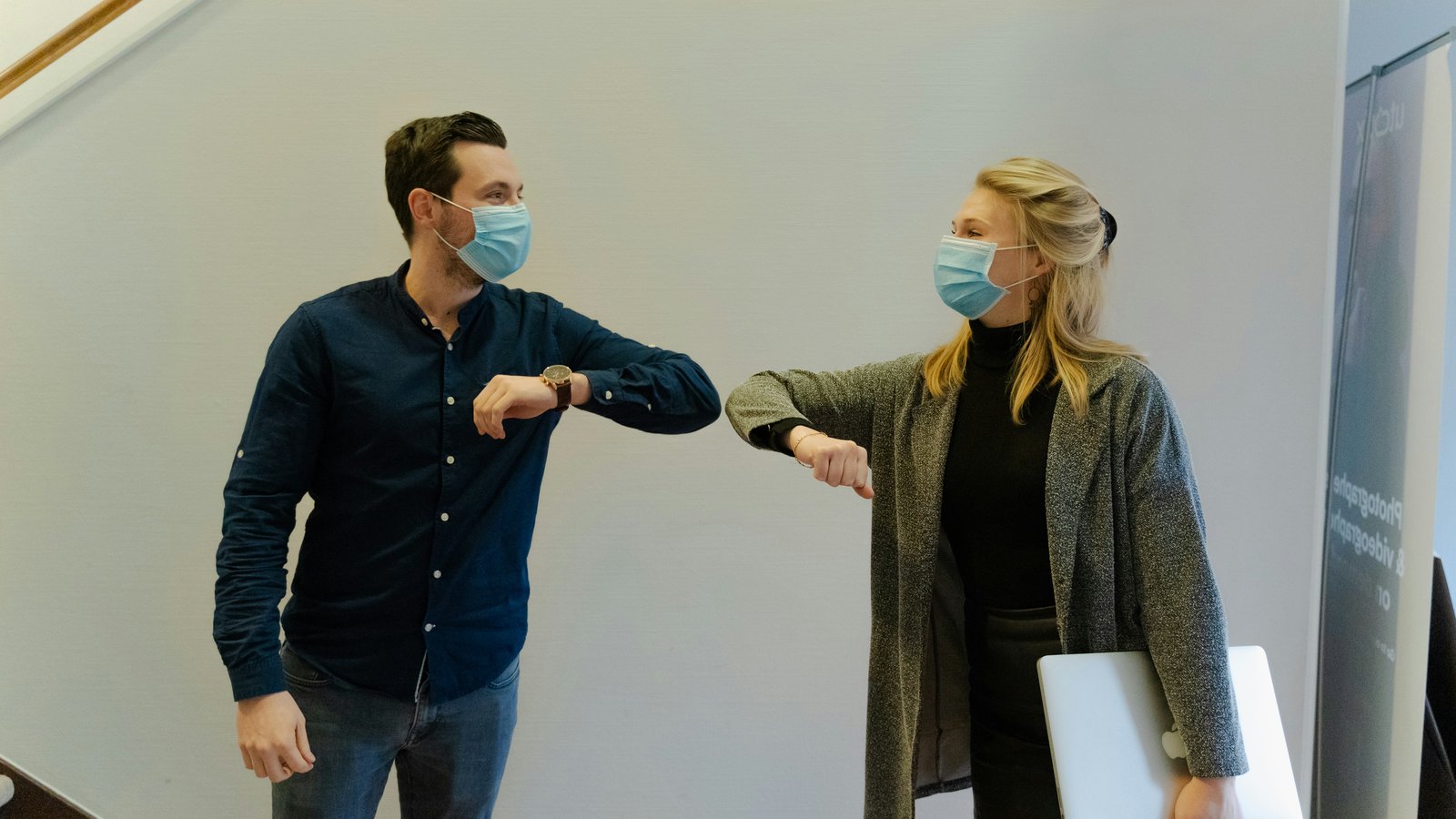

With many teachers in the UK currently working towards resuming normal service, and others already having done so, it raises a few questions about how we can be best prepared for this with the suitability of our teaching studios.
While the guidance varies from source to source, we can stay one step ahead by ensuring that our spaces are compliant with the expectations.
For teachers that work from very small spaces, unfortunately some of these steps may be unrealistic to follow, but those of us working from bigger spaces will certainly be able to implement some change.
Social Distancing
The first, and most obvious thing to implement is social distancing.
Of course, this is very dependant on your space. If you work out of a large room, you should have enough space to position yourselves 2m apart. The 2m rule has been in force for public areas and shops for some time, so it makes sense to apply this in the teaching environment where suitable.
If you are unable to provide the full 2m, check with your local councils about their guidelines and how best to proceed.
Face Coverings
Face coverings are not ideal for teaching; however, they are an easy way to ensure compliance, especially if the full 2m social distancing rule cannot be adhered to.
While it is mandatory to wear face coverings in public stores and supermarkets, entering private teaching spaces leaves the rule up to the teachers discretion.
If you, and your students agree, then face coverings are an option. For singing teachers, this may be slightly trickier, one possible option is that one person (the person not currently singing) is always wearing a mask.
Plexiglass Shields
Plexiglass shields, such as those in supermarkets could also be a useful addition to any teaching space where the full 2m rule cannot be applied.
Plexiglass shields can be fairly expensive, but they provide a very safe barrier between you and the student.
Hand Sanitizing and No Equipment Sharing
Have some hand sanitizer ready to give to students as they arrive, before they enter the teaching space, and the use again before they leave.
You should encourage this between each lesson as well as doing this yourself regularly.
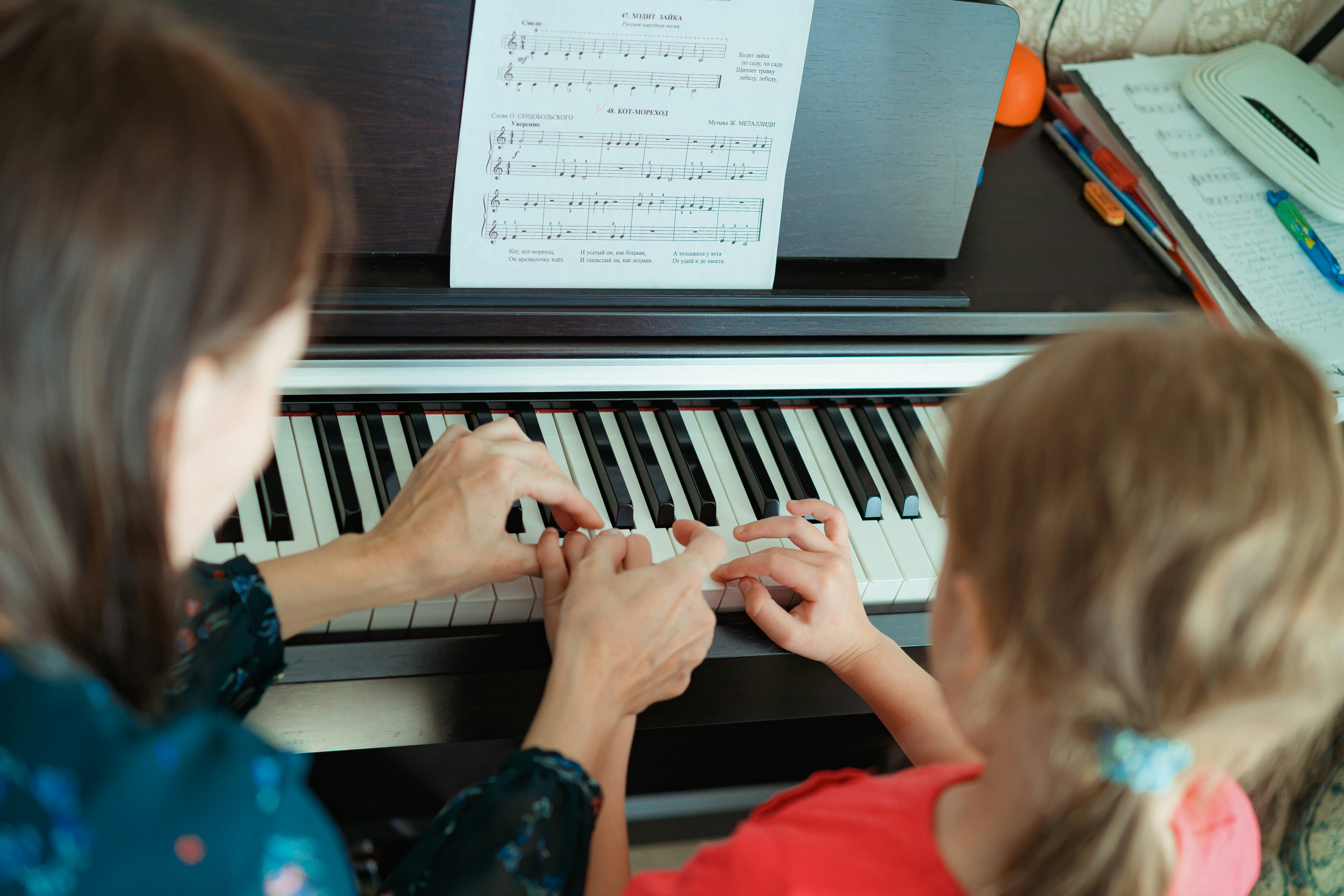
In the past, you may have shared instruments with students, or shared music stands/sheet music. In order to practise Covid-19 compliance, this practise should stop. Students should be encouraged to bring their own instruments to sessions so that they are not as risk of contaminating or becoming contaminated.
Instruments should also not be shared between students.
Full Clean Down
Between lessons it is very important to give the room a total clean down.
Using the correct type of sanitizing wipes, clean down all surfaces that students will or have already come into contact with. Also wipe down any communal items like door handles, hand rails, music stands and chairs.
Leave yourself longer gaps between sessions to accommodate this additional cleaning and where possible, keep teaching areas well ventilated. Leaving windows and doors open when the room is not in use is a great way to ensure that regular airflow passes through the room and keeps the clean air circulating.
Try to avoid using air conditioning where possible as this recycles existing air. Natural air sources should be used if possible.
Recommended reads
Browse all →Next reads based on shared topics and recently updated articles.
If you’re teaching in person, these steps help you reduce risk and make your studio setup more compliant and reassuring for students.