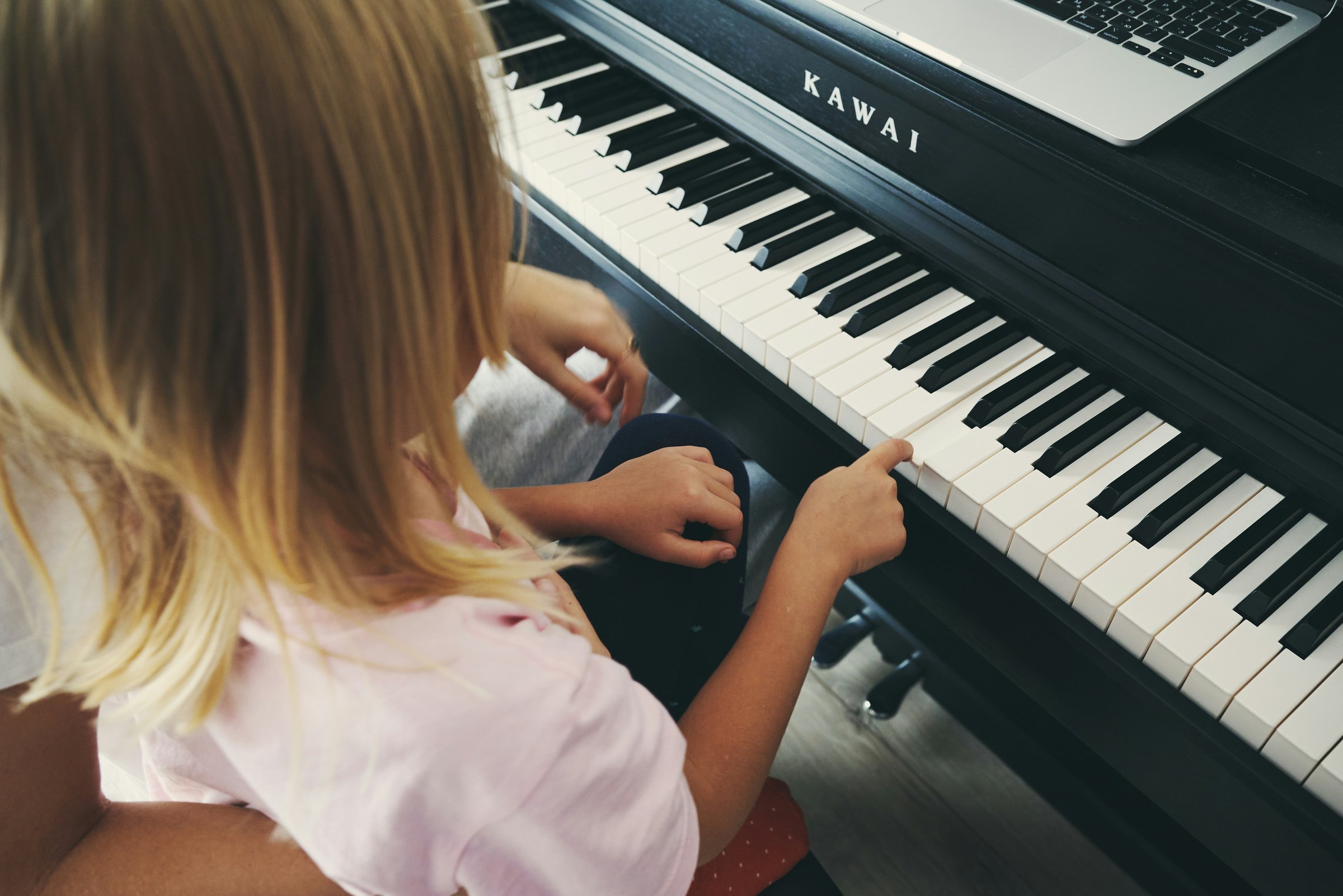

Welcome to
Piano lessons in Exeter
Gentle guidance, uplifting music, and steady progress in Devon's cathedral city.
Our Piano Teachers in Exeter
Browse local piano teachers to get started, or search again above to find the nearest piano teacher to you.

Alex Johnstone has over 10 years experience as a performer playing a number of high profile festivals such as Boomtown, Beautiful Days, Altitude, Aeon and Wonderfields. He has played alongside performers such as The Levellers, Maddie Prior (Steeleye Span,) Rev Hammer and Justin Sullivan (New Model Army.) He has been teaching singing and piano for 4 years at The Academy Of Music And Sound in Exeter along with private tuition. Alex was trained from a young age in Exeter Cathedral Choir and teaches Piano, Singing and Songwriting. Music Qualifications & Achievements: 1st Class BA Hons Music performance Award In Education and Training A level Music Technology Grade 8 distinction – vocals Grade 5 Music Theory
Hi there! I’m a musician and teacher with a Bachelor of Arts in Music. I love sharing my passion with my students. I like to create lessons that are clear, enjoyable, and designed around your goals, whether that’s preparing for an exam, or just playing for relaxation. I teach: Piano – beginners and intermediates Setar – introducing the rich sounds of Persian music Daf – exploring rhythm and traditional patterns Music Theory – building strong foundations to help you understand, read, and create music I focus on: Strong technique Creativity and self-expression Step-by-step theory that makes everything easier A mix of classical, traditional, and contemporary styles. 📍 Lessons Available Online or in-person (depending on location) One-on-one or small group sessions For children, teens, and adults

A creative and fun piano teacher with over 25 years teaching experience in both Surrey and Devon. All ages welcome from 5 through to adult. Pupils can work towards exams or just play for fun. I have a 100% pass rate and I am a CT-ABRSM qualified teacher. I also love teaching the Rockschool syllabus which covers many styles of music and improvisation which is great fun. Qualifications: CTABRSM
About Piano lessons in Exeter
Exeter teachers focus on making lessons feel welcoming and motivating. You'll play music you enjoy, learn reliable technique, and receive supportive feedback that keeps you moving forward.
Teachers serve Exeter and Devon, with online lessons available.

Find professional teachers with clearer trust signals — and inquire in minutes.
Piano lessons: what to expect
Piano lessons near you
Great piano lessons combine structured technical development with repertoire that inspires you. Search by location to find local teachers for in-person tuition, or choose online lessons to access specialist tutors in your chosen style.
Who piano lessons are for
Piano suits learners of all ages — children, teens, adults and returning players. Lessons can be tailored to beginners, hobbyists, exam candidates, and aspiring performers.
What you’ll learn in piano lessons
Lessons focus on technique, rhythm, reading, ear training, and musical expression. Teachers create progressive plans so you consistently improve week-to-week.
Online vs in-person piano lessons
Online lessons are effective for repertoire, theory and technique when recorded materials and clear audio/video setup are used. In-person lessons offer direct physical guidance and instrument-specific coaching.
A simple learning path for piano
A good teacher will tailor lessons to your goals — but here’s what progress often looks like.
Develop posture, hand position, basic sight-reading, simple scales and arpeggios, and a practice routine that builds consistent progress.
Expand technique with scales, arpeggios and exercises; learn pieces across styles and build expressive playing and musicality.
Refine interpretation, explore improvisation or accompaniment, and prepare confidently for exams, recitals, or studio sessions.
Getting started: what you need
Keep it simple at first — your teacher can help you choose the right setup.
- A reliable upright or digital piano with weighted keys is ideal — full-size 88-key preferred.
- Piano bench at the correct height helps maintain relaxed posture and technique.
- A metronome and a simple practice plan (20–40 minutes daily) yield far better results than occasional long sessions.
Styles & goals your teacher can support
Choose a direction — lessons can be tailored around what you actually want to play.
Technique, interpretation, sight-reading, and repertoire from Baroque to contemporary classical traditions.
Harmony, voicings, comping patterns, lead sheets, improvisation practice, and repertoire building.
Song accompaniment, chordal arrangements, studio-friendly techniques, and performance-ready repertoire.
Structured technical work, piece selection, sight-reading practice, and mock exam coaching for ABRSM, Trinity and other boards.
Browse piano lessons by location
Explore piano teachers by city and region.
Popular cities for piano lessons
Jump to a location page (instrument prefilled).
Trust & safety
Parents and students should always feel confident asking about safeguarding, insurance, and lesson policies.
FAQs about piano lessons in Exeter
Absolutely — we ease you back in with pieces you love.
Yes — lessons can include pop, film, worship, or classical repertoire.
Yes, when you want them; otherwise lessons can stay leisure-focused.
Short daily practice sessions (20–40 minutes) are more effective than infrequent long sessions. Your teacher will help design a routine suited to your goals.
Absolutely. Many adult learners progress quickly with consistent practice and a teacher who tailors lessons to adult learning styles.
A full-size 88-key instrument with weighted keys is ideal, but a good quality 61–76 key weighted keyboard can work for beginners. Your teacher can advise on suitable options.
Yes — many students successfully prepare for ABRSM, Trinity and other exams via online lessons when the teacher provides structured materials and targeted feedback.