
 Online lessonsComposition lessons
Kyla Gabka★ 5.0 (33)
United States
$40 USD / 30 min
 MusicTeacher.comTHE RSL AWARDS TEACHER REGISTRY
Explore music teachers near you or online, and find lessons that fit your life.
Real connection. One-to-one lessons. A good place to begin.
Online lessonsComposition lessonsUnited States
$40 USD / 30 min
 In-person lessonsBass lessons
Barnes Way, Werrington, Peterborough PE4 6QD, UK
£10.00 / 30 min
 In person & onlinePiano lessons
Manchester, UK
£25.00 / 30 min
 In person & onlineSinging lessons
80 Stokes Croft, St Paul's, Bristol BS1 3QY, UK
£40.00 / 45 min
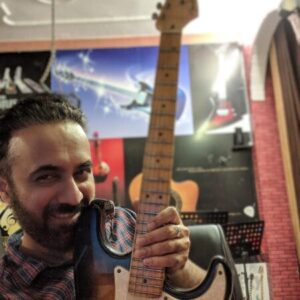 In person & onlineGuitar lessons
Kallumthazham, Mangad, Kollam, Kerala 691004, India
$13 USD / 30 min
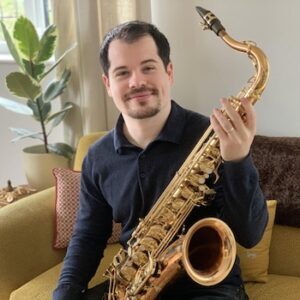 In-person lessonsClarinet lessons
Sheldon Dr, Wells BA5 2HE, UK
£22.00 / 30 min
Lesson details are supplied by teachers. Confirm prices and availability when you enquire.

That guitar in the corner. The piano you walk past.
Make a little room for something you love.
Browse teachers, get a feel for their style, and save your favourites.
Share your goals and ask about the little things that matter to you.
Arrange your first lesson together. You bring the curiosity.
A place to begin
MusicTeacher.com helps students and parents find music teachers for in-person and online lessons. Choose your instrument, compare teaching approaches and find support for the music you want to make.
Make room for music
Start with a lesson format you can return to regularly. Your location, routine and learning goals all matter when choosing a music teacher.
Local music lessons give you and your teacher the same space to listen, demonstrate and play. Ask whether lessons take place at a teaching studio, a music school or your home, and check travel time and instrument access before you book.
Find local music lessonsOnline music lessons widen your choice beyond your local area. Learn from home with your instrument, a reliable internet connection and a video setup agreed with your teacher. Check time zones, sound and camera placement before your first session.
Explore online music lessonsThe right fit matters
Start with your instrument, your experience and what you would love to play. Then look for a teacher who can turn those interests into achievable next steps.

Good music teachers combine patience, clear communication and musical knowledge. Explain what you are interested in playing and ask how lessons will adapt to your pace. A good fit balances structure with fun, sets achievable goals and helps you enjoy music making for years to come. After a lesson, you should understand what to practise and hear how it will help you progress.
Begin with the music you want to make: acoustic guitar songs, classical piano, singing, keyboard, strings, flute or another instrument. Ask prospective teachers about their specialist styles and how they develop technique, creativity and confidence. Musicians returning after a break may want a different focus from a complete beginner. Ask whether individual lessons, a group class or occasional workshops would suit your musical journey; each teacher offers different options.
For young learners, look for a patient teacher who adapts to your child’s learning speed and gives parents regular feedback. Ask whether you can observe an introductory lesson and discuss realistic practice goals together. Your child feeling comfortable, enjoying the lesson and wanting to return are encouraging signs. Check the minimum age with each teacher: readiness depends on the child, instrument and teaching approach.
If a trial lesson is available, use it to assess the teacher’s explanations and interaction with the student. Confirm its price rather than assuming it is free. Ask about lesson length, location, equipment, payment and cancellations. Recommendations from friends, a school or a local music shop can help you make a shortlist alongside teacher directories. Treat each recommendation as a starting point and check the teacher’s suitability yourself.
Your next chapter
You do not need to read music or have previous experience to ask about beginner music lessons. Tell your teacher what you enjoy listening to, ask which instrument you will need and start with a manageable practice routine. Small, clear goals help you recognise progress.
Adult learners can bring old favourites and new ambitions to lessons. If you played years ago, explain what feels familiar and what needs rebuilding. A teacher can help you revisit technique, regain confidence and choose music that makes practice worthwhile.
More experienced musicians may want support with graded music exams, auditions, performance or improvisation. Look for a specialist in your instrument and musical style. Discuss repertoire, music theory, ear training and the preparation your next goal will need.
The RSL Awards Teacher Registry
Get to know the person behind the profile. Read about their musical training, teaching experience and professional approach, alongside any reviews and safeguarding information shown.
About MusicTeacher.comDiscuss supervision, how parents receive feedback and how the teacher communicates between lessons. Ask to see appropriate background-check information and read the profile’s safeguarding status. A directory listing alone does not confirm a background check.
Before your first lesson
Practical guidance on finding music teachers, comparing private lessons and getting started.
Need a little help?Choose in-person lessons, select your instrument and enter your location in the search above. Compare nearby teachers and open their profiles to check where lessons take place. A nearby listing does not necessarily mean home visits are available: confirm the venue, travel arrangements and current availability with your chosen teacher.
Prices vary by teacher and lesson length. Check the profile for the advertised fee, currency and duration so you can compare like for like. Use View profile or Send Message to ask about availability, your goals and the lesson format. Confirm the current price, payment arrangements and cancellation policy directly with the teacher before committing. Teachers run their own teaching business, so ask when payment is due and whether an instrument can be hired or needs to be purchased.
Online music lessons let you explore teachers beyond your local area, including options across the UK and internationally. Ask your teacher about the video platform, internet connection, instrument and camera setup you will need. Confirm your time zone and discuss whether online teaching suits your instrument, experience and learning goals.
You can explore lessons for complete beginners through to advanced students, with each teacher specifying the ages and abilities they teach. Whether you are choosing a child's first instrument, returning to music as an adult or developing advanced skills, check that the teacher offers the support you need. Ask about suitable repertoire, practice between lessons and whether you need an instrument before starting.
Look for experience teaching your instrument, age group and level, alongside qualifications, reviews and a teaching style that suits you. Tell the teacher whether you want to learn for fun, develop technique, prepare for graded music exams or enjoy informal hobby playing. For children, review the safeguarding information on the profile and ask about any checks that are not shown.
Read the profile for teaching expertise, musical training and experience with pupils like you. Many private music teachers hold a music degree or equivalent training. These qualifications can be useful evidence of study, but also consider how the teacher explains their approach and supports progress. Professional music teachers may combine teaching with performing, recording or work in the music industry. Ask about the experience most relevant to your goals, whether you need a vocal coach, classical guitar specialist or support with music production.
Browse piano, guitar, singing, violin, drums, music theory and other lesson options. Music teachers list their own specialisms, which may include classical music, jazz, rock or pop. Check individual profiles for support with reading music, ear training, improvisation, songwriting or exam preparation rather than assuming every teacher offers the same subjects.
Discuss what you want from individual lessons, whether that is playing favourite songs, building performance skills or preparing for an audition. Ask how the teacher balances instrumental technique, music theory and ear training with practical music making. Advanced students may want specialist tuition in improvisation, composition or musicianship; beginners may need help choosing an instrument and building a manageable practice routine.
Ask your chosen teacher whether an introductory lesson is available. Check the price, length and cancellation policy before booking; it is not automatically free. Use their profile on this site to understand their teaching approach, then discuss a song or musical goal you would like to work towards. During the lesson, notice whether the explanations are clear and whether you feel comfortable asking questions. Afterwards, agree what to practise and whether you would like to continue.
Explore these UK cities, or use the search above for your town or postcode. Prefer to learn from home? Online lessons offer a wider choice of teachers across locations.

Create your profile on MusicTeacher.com. Show students what you teach, where you teach and what makes your lessons right for them.
We use essential cookies to keep the website working. With your permission, we also use analytics and marketing cookies to understand visits, measure advertising and improve the website. Read our Cookie Policy. You can change your choice at any time in Cookie preferences.